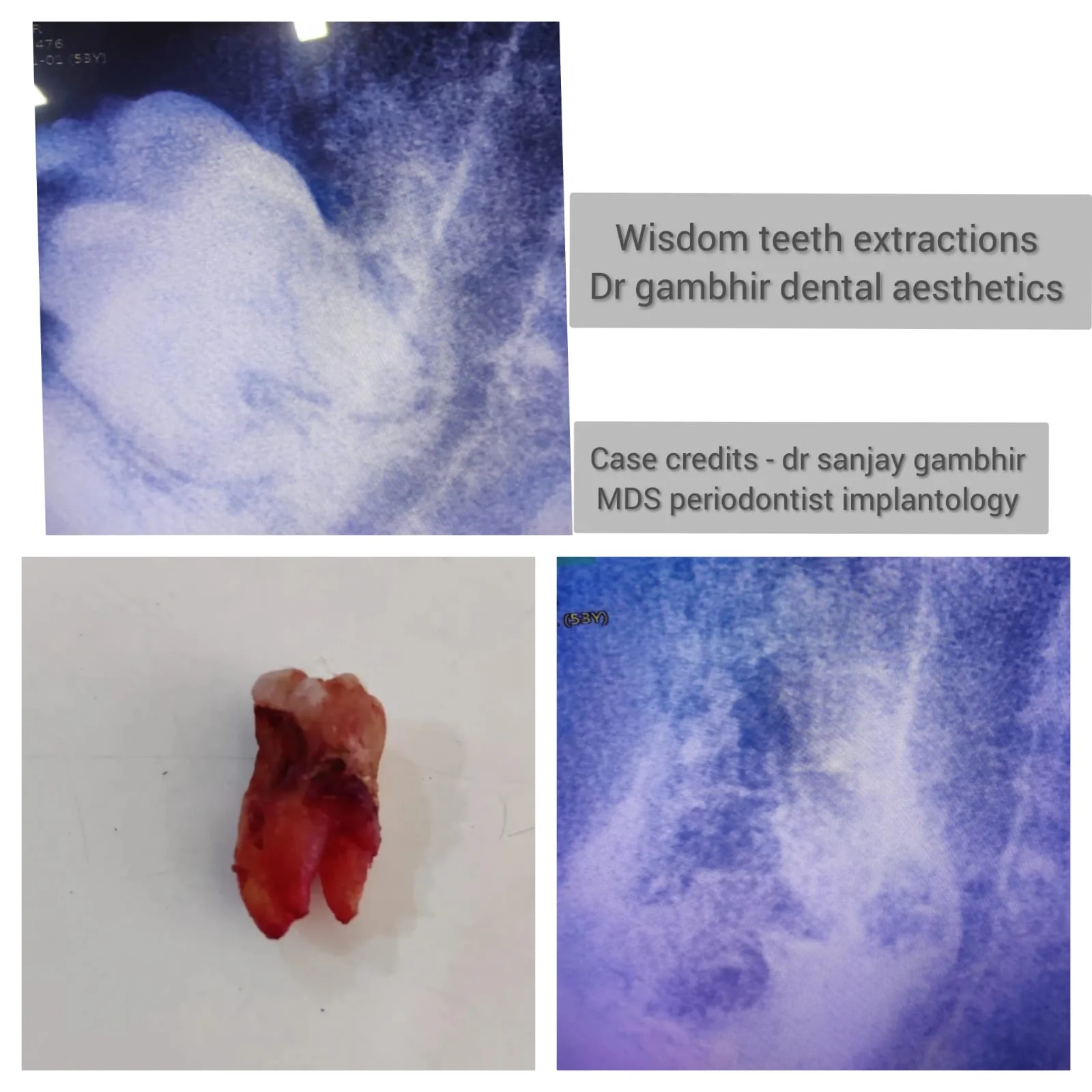
Wisdom teeth are the last set of molars to develop, usually appearing during the late teenage years or early adulthood. While some people have enough space in their mouth for these teeth to grow normally, others may experience pain, swelling, infection, or difficulty opening the mouth when a wisdom tooth does not erupt properly.
If you are experiencing discomfort at the back of your mouth, repeated gum swelling, or pain while chewing, a dental examination can help determine whether your wisdom tooth needs treatment or removal. For patients searching for wisdom teeth extraction in Noida Sector 65, Dr Gambhir Dental Aesthetics provides dental consultation and treatment focused on comfortable and appropriate care.
Wisdom teeth are the third molars located at the very back of the upper and lower jaws. Most people develop up to four wisdom teeth, although some may have fewer or none.
A wisdom tooth can sometimes erupt normally without causing any problems. However, limited jaw space can prevent it from coming through completely. In such cases, the tooth may become impacted, meaning it remains partly or completely trapped beneath the gum or bone.
An impacted wisdom tooth may create problems for the surrounding teeth and gums and may require professional evaluation.
One of the most common reasons wisdom teeth cause discomfort is insufficient space in the jaw. When the tooth grows at an unusual angle or remains partially covered by gum tissue, food and bacteria can become trapped around it.
Common wisdom tooth problems include:
Pain or tenderness at the back of the mouth
Swollen or irritated gums
Difficulty chewing
Food getting trapped around the tooth
Bad breath or unpleasant taste
Repeated gum infections
Difficulty opening the mouth
Damage or pressure affecting nearby teeth
Tooth decay around an impacted wisdom tooth
Not every wisdom tooth needs to be removed. A dentist generally recommends extraction when the tooth is causing problems or is likely to create significant dental complications.
A dental examination is important before deciding on extraction. Your dentist may recommend wisdom tooth removal if there is:
A partially erupted wisdom tooth can create a pocket around the gum where bacteria and food particles accumulate. This may lead to recurring inflammation or infection.
Ongoing pain at the back of the jaw may indicate an impacted or problematic wisdom tooth. The cause should be diagnosed rather than managed only with temporary pain relief.
Wisdom teeth can be difficult to clean because of their position. If decay develops and the tooth cannot be adequately restored, removal may be considered.
An incorrectly positioned wisdom tooth may put pressure on neighbouring molars or make cleaning between the teeth difficult.
Inflammation around a partially erupted wisdom tooth can cause discomfort and swelling. In some cases, extraction may help prevent recurring problems.
If a wisdom tooth is unable to erupt properly because of inadequate space, your dentist may recommend monitoring or removal depending on its position and potential risks.
The exact procedure depends on whether the wisdom tooth has erupted normally or is impacted.
Before extraction, the dentist examines the tooth and may recommend dental imaging to understand its position, roots, and relationship with surrounding structures.
During the procedure, local anaesthesia is generally used to numb the area. For a straightforward extraction, the tooth can be carefully loosened and removed.
An impacted wisdom tooth may require a more involved surgical extraction. In such cases, the dentist may need to access the tooth through the gum and, when necessary, divide the tooth into smaller sections for controlled removal.
The approach is selected according to the individual tooth rather than using the same procedure for every patient.
Recovery varies from person to person and depends on the complexity of the extraction. Mild discomfort, swelling, or tenderness can occur during the initial recovery period.
Your dentist may provide specific instructions regarding:
Keeping the extraction area clean
Eating softer foods initially
Avoiding unnecessary pressure around the treatment site
Taking prescribed or recommended medication as directed
Following oral hygiene instructions
Attending a follow-up appointment if required
It is important to follow the post-extraction instructions provided by your dental professional because proper aftercare supports healing and reduces the risk of complications.
Before your appointment, inform your dentist about any medications, allergies, or existing medical conditions. Your dentist will explain the treatment plan and answer questions about the procedure.
You should also discuss any concerns you have about pain, anaesthesia, recovery time, or eating after the procedure.
A proper consultation allows the dentist to determine whether extraction is actually required and which approach is appropriate for your tooth.
Choosing the right dental clinic is an important part of planning wisdom tooth treatment. Dr Gambhir Dental Aesthetics offers a range of dental treatments, including preventive, restorative, cosmetic, and specialised dental care. The website highlights services such as dental implants, root canal treatment, laser dentistry, smile designing, braces, cosmetic dentistry, and dental cleaning.
For patients looking for wisdom teeth extraction in Noida Sector 65, an initial consultation can help identify the cause of pain or swelling and determine whether extraction, monitoring, or another treatment is appropriate.
The goal should always be to preserve oral health while choosing the least invasive suitable treatment for the individual patient.
No. A wisdom tooth that has erupted properly and can be cleaned and maintained may not need extraction. Removal is generally considered when the tooth causes problems or presents a significant risk of future complications.
Pain, swelling, recurring infection, difficulty opening the mouth, or a partially erupted tooth can be signs of an impacted wisdom tooth. Dental examination and imaging can confirm its position.
The extraction area is numbed with anaesthesia during the procedure. Some soreness or swelling may occur after treatment, particularly following a surgical extraction.
The duration depends on the tooth's position and the complexity of the extraction. A normally erupted tooth may be quicker to remove than an impacted wisdom tooth.
In some cases, multiple wisdom teeth can be removed during the same treatment session. The decision depends on the patient's dental condition, tooth positions, and the dentist's assessment.
Soft foods that require minimal chewing are generally easier during the initial recovery period. Your dentist can provide personalised dietary instructions based on your procedure.
Yes. A wisdom tooth can sometimes develop problems without causing obvious symptoms. Regular dental examinations can help identify potential issues early.
Wisdom tooth pain should not always be ignored, especially when it is accompanied by swelling, repeated infection, or difficulty chewing. A dental examination can help determine whether the tooth can be monitored or whether extraction is advisable.
If you are searching for wisdom teeth extraction in Noida Sector 65, consider scheduling a consultation with Dr Gambhir Dental Aesthetics to discuss your symptoms and treatment options. An individual assessment is the best way to determine the appropriate course of care for your wisdom tooth.