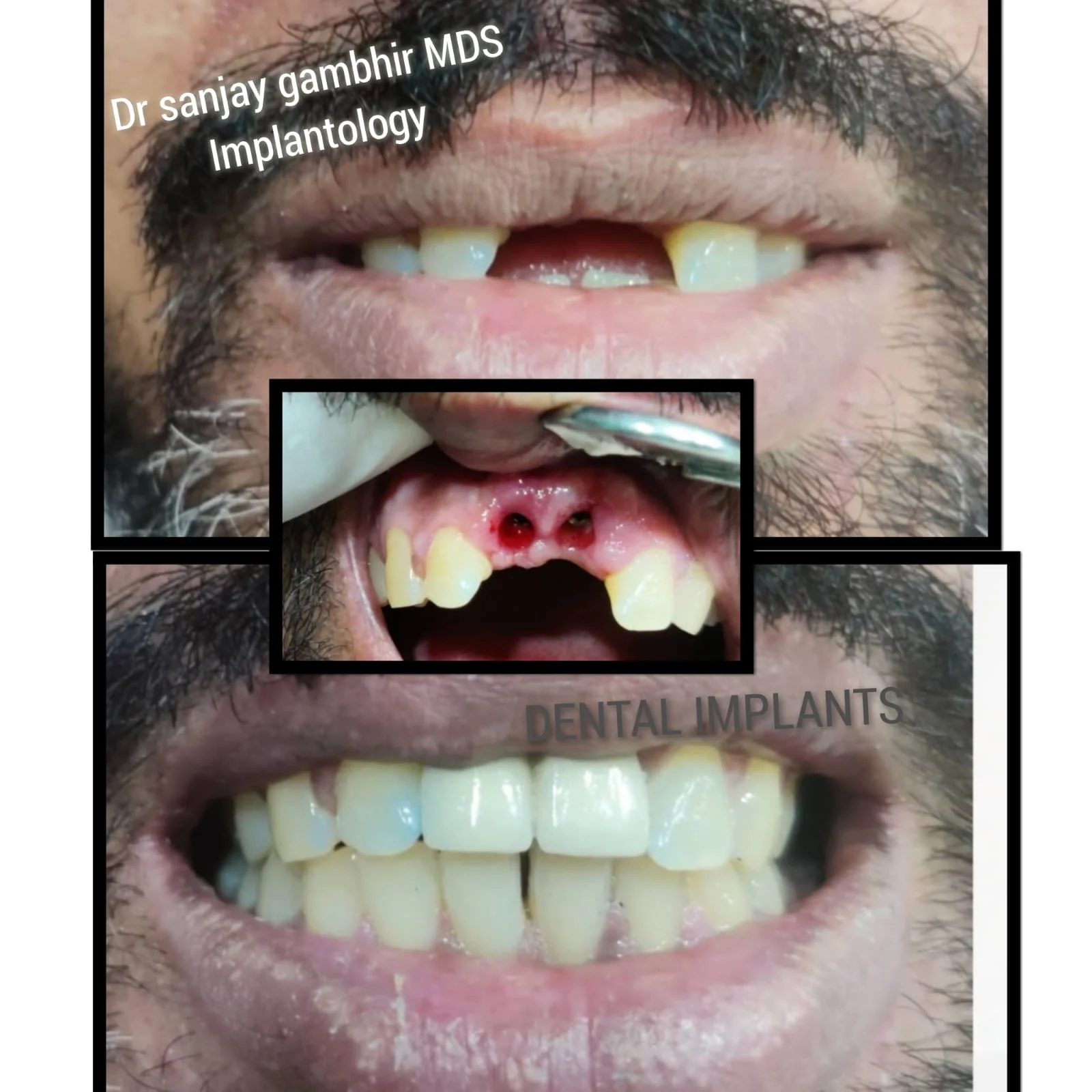
You lose a tooth and initially think, “I can manage with one less.” Maybe it does not hurt anymore, so you assume the problem is over.
Then eating becomes uncomfortable, you start avoiding certain foods, or you notice that the gap is becoming more noticeable when you smile. If you are considering replacing a missing tooth, consulting an Implantologist in Gurugram Sector 61 can help you understand your options.
A missing tooth is not only a cosmetic concern. Depending on its location and your overall dental health, the gap can affect chewing, speech, and the way nearby teeth function.
You may want to discuss dental implants if you have:
One or more missing teeth
A recently extracted tooth
Difficulty chewing because of a missing tooth
A loose or uncomfortable removable replacement
A gap that affects your confidence
Multiple missing teeth
Concerns about the stability of dentures
However, an implant is not automatically the right solution for every patient. A proper dental assessment should come first.
Your teeth work as a system rather than as completely independent parts.
When a tooth is missing, nearby teeth can gradually shift into the empty space. Changes in the way you bite may also occur, depending on the location and number of missing teeth.
The jawbone in the area can also change after tooth loss because it no longer receives the same stimulation from the natural tooth root.
This does not mean every missing tooth requires immediate implant treatment, but it does mean the decision deserves professional evaluation.
The World Health Organization reported in 2025 that untreated oral diseases affect billions of people globally, while tooth loss remains a major consequence of severe dental disease.
The practical message is simple: replacing a missing tooth should be considered as part of restoring oral function, not just improving appearance.
There is a common belief that once you lose a tooth, the immediate answer is “get an implant.”
That is not how responsible treatment planning should work.
Before recommending an implant, the dentist needs to consider your gum health, available bone, neighbouring teeth, bite, oral hygiene, general health, and the reason the tooth was lost.
Sometimes another tooth-replacement option may be more appropriate. Sometimes gum treatment or other dental work should happen first.
The best implant plan starts with diagnosis—not with the procedure.
Your first appointment should be about assessment and planning.
The dentist will examine your mouth and discuss your dental history. Imaging may be recommended to assess the jawbone and surrounding structures.
The dentist may then discuss whether you are a suitable candidate and what treatment stages may be required.
Depending on the situation, the process can involve tooth removal, healing, implant placement, a period of integration, and placement of the final dental restoration.
The exact timeline varies from patient to patient.
There is no single checklist that guarantees eligibility.
Your dentist may consider:
The condition of your gums
Bone quantity and quality
Overall oral hygiene
The location of the missing tooth
The health of neighbouring teeth
Your bite
Your general health and medical history
Smoking or tobacco habits
Your ability to maintain good oral hygiene
If bone or gum conditions are not suitable initially, additional treatment may sometimes be considered before implant placement.
Implant treatment often involves more than simply placing an artificial tooth.
An implant is placed into the jawbone to act as an artificial tooth root. Once appropriate healing has occurred, it can support a dental restoration.
For a single missing tooth, an implant may support a crown designed to restore appearance and chewing function.
Patients missing several teeth may have different replacement options depending on the number and location of missing teeth.
In selected cases, implants can help provide additional stability for dentures.
Healthy gums are important for successful implant planning. Existing gum disease may need to be managed before implant treatment.
The final restoration should not only function properly but also fit naturally with the surrounding teeth in shape, colour, and appearance.
Imagine a patient who lost a molar several months ago. Because the missing tooth is not visible when they smile, they initially ignore it.
Over time, they begin chewing mostly on the opposite side. During a later consultation, the dentist evaluates the gap, surrounding teeth, bite, gum health, and available bone before discussing replacement options.
The lesson is important: a missing tooth should be evaluated even when it does not affect your smile.
Dr Gambhir's Dento Aesthetics approaches implant care by first evaluating the patient's oral health, gum condition, bite, and tooth-loss situation. Patients can discuss single-tooth replacement, multiple missing teeth, implant-supported restorations, and related aesthetic or restorative concerns in a planned, patient-focused consultation.
Dental implants are designed as a long-term tooth-replacement option, but their longevity depends on several factors.
Good oral hygiene, regular dental check-ups, healthy gums, appropriate treatment planning, and proper care of the final restoration all matter.
An implant is not a maintenance-free replacement. You still need to brush, clean between your teeth, and attend dental appointments.
Before deciding on treatment, ask practical questions.
Find out why an implant is being recommended, whether there are alternatives, what preparation you may need, how many stages are involved, and what maintenance will be required.
Also ask what factors could affect the expected outcome.
A clear explanation can make a major difference when you are deciding about a long-term dental treatment.
No. Suitability depends on factors such as gum health, available bone, oral hygiene, bite, overall health, and the location of the missing tooth. A dental assessment is necessary before treatment is planned.
The implant procedure is performed with appropriate anaesthesia, so you should not experience pain during the procedure. Some discomfort or swelling may occur during recovery, depending on the treatment.
The timeline varies significantly. Some patients may complete treatment relatively quickly, while others require additional healing or preparatory procedures. Your dentist can provide a more specific estimate after assessment.
A missing tooth can affect more than your smile. It can influence chewing, comfort, and the way the surrounding teeth function.
If you are considering replacement, an assessment by an Implantologist in Gurugram Sector 61 can help you understand whether an implant is suitable and what alternatives may exist.
Book a consultation with Dr Gambhir's Dento Aesthetics to evaluate your missing tooth and discuss a personalised replacement plan.